
Caffeine Vape Ingredients Explained
Understand ingredient terminology, the difference between ingredient purity and finished-product composition, and the evidence required to interpret caffeine vape ingredient claims.
Comparing product information? 2026 Comparison of Five Caffeine Vape Pens. Review ingredient information alongside advertised device specifications.
What ingredients are listed in caffeine vape documentation?
Ingredient composition varies between products. A caffeine vape may contain caffeine, carrier ingredients, flavoring substances and other components, depending on its formulation. The category name alone does not establish a complete ingredient list.
The available August 2026 Pure Caffeine certificate image lists natural caffeine anhydrous, L-theanine and vegetable glycerin in its ingredient assessment section.
Understanding caffeine, L-theanine and vegetable glycerin
Caffeine Anhydrous
Caffeine is a central nervous system stimulant. Anhydrous caffeine refers to caffeine in a form without water of hydration.
Its identity and raw-material purity do not establish the quantity delivered by an inhalation device.
Evidence from coffee, tablets and other oral caffeine products cannot automatically be applied to inhalation.
L-Theanine
L-theanine is an amino acid naturally found in tea. It has been studied primarily through oral consumption.
The available Pure Caffeine certificate image includes an L-theanine purity claim.
This does not establish its concentration, inhaled dose, effectiveness or interaction with caffeine when inhaled.
Vegetable Glycerin
Vegetable glycerin, also called glycerol or VG, is a substance used in a variety of consumer formulations.
In aerosol-generating products it can function as a carrier ingredient.
Raw-material purity or suitability for food use does not establish safety when heated and inhaled.
What does the available ingredient certificate report?
The supplied Pure Caffeine certificate image dated August 15, 2026, reference PC-CAFF-202608, contains ingredient purity claims.
| Listed ingredient | Reported purity | Finished-product concentration |
|---|---|---|
| Caffeine anhydrous | 99.88% | Not established |
| L-theanine | 99.15% | Not established |
| Vegetable glycerin | 99.90% | Not established |
Ingredient purity is not the same as caffeine concentration or dose
For further explanation, see how much caffeine is in a caffeine vape .
INGREDIENT SCIENCE & EVIDENCE
Understanding Caffeine Vape Ingredients
Ingredient names alone cannot establish finished-product composition, exposure or safety. The substances below appear in supplied Pure Caffeine documentation; their concentrations in individual finished flavors have not been independently verified here.
Caffeine Anhydrous
Caffeine anhydrous is a water-free form of caffeine. Raw-material purity is not the same as caffeine concentration in a finished device or the amount absorbed during use.
L-Theanine
L-Theanine is an amino acid found in tea. Studies involving oral L-theanine do not establish the safety or effects of inhaling a formulation containing it.
Vegetable Glycerin
Vegetable glycerin is also called glycerol. Its behavior depends on formulation and device conditions. Ingredient purity alone does not establish the composition or safety of emissions.
Four Measurements Consumers Should Distinguish
- Raw-material purity: The measured purity of an ingredient sample.
- Finished-product concentration: The amount in the complete formulation.
- Emitted dose: The amount released under defined test conditions.
- Absorbed dose: The amount entering the body, requiring appropriate exposure evidence.
What Does ND Mean?
ND means not detected under the analytical method and detection limit used. It does not automatically mean absolute zero or prove a product is safe for inhalation.
Documentation and Evidence Limits
See the Pure Caffeine Lab Reports page for supplied certificate images and their verification limitations. Those documents do not independently establish the composition or caffeine delivery of every flavor or production batch.
Complete finished-product concentrations, emitted caffeine dose and human absorption measurements have not been independently verified for publication here. This information is educational, not medical advice.
Explore the Flavor Collection
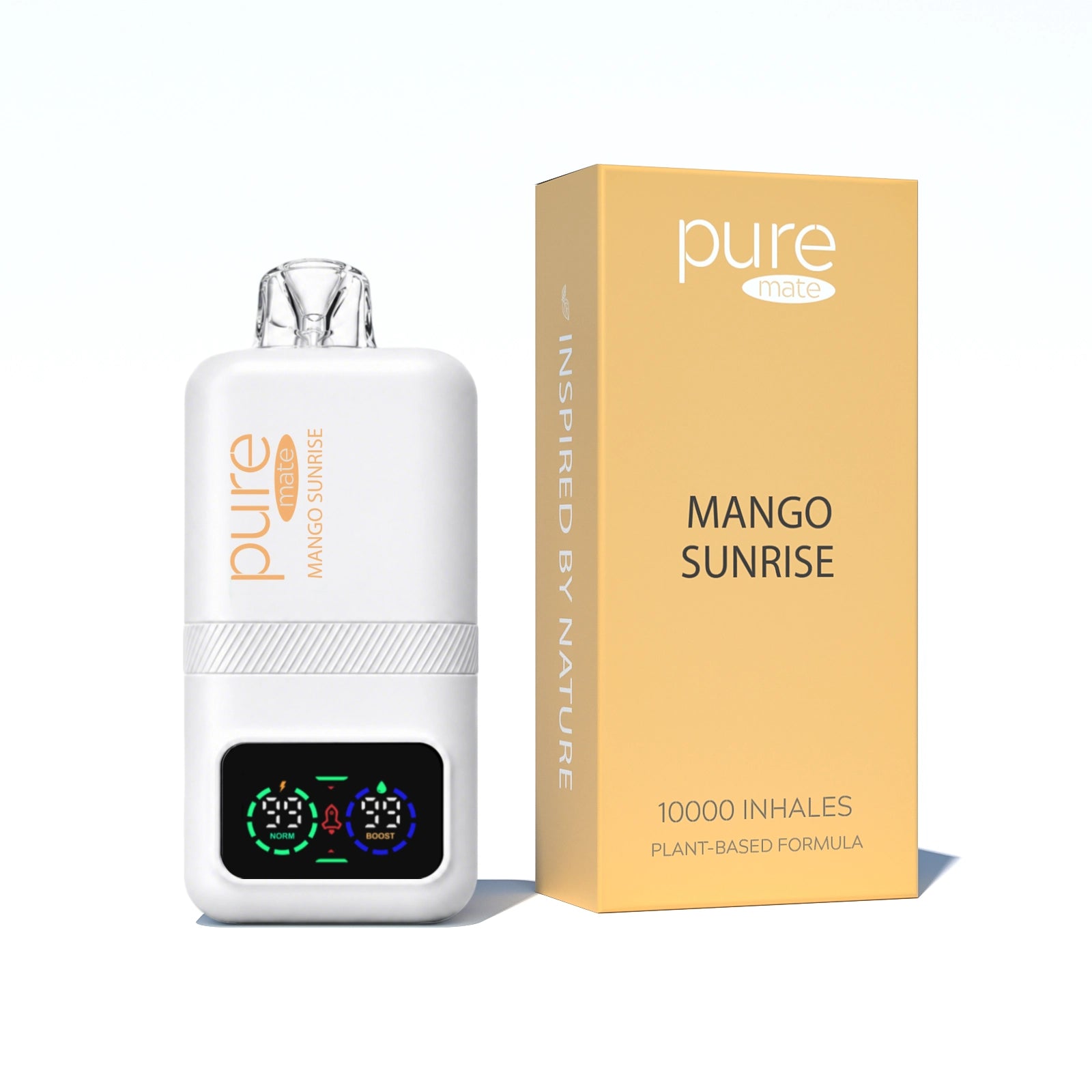
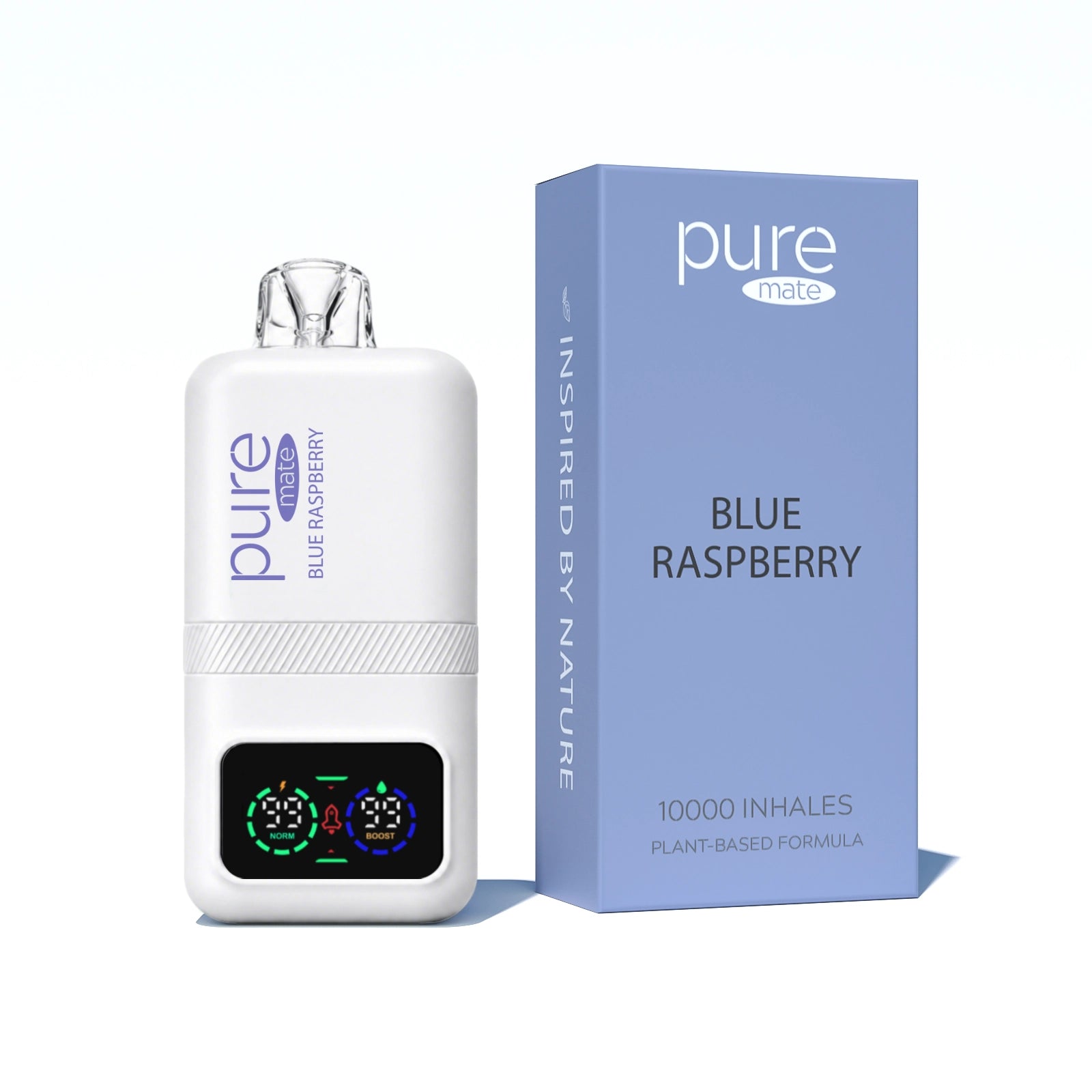
Compare product details, ingredients and available pack options.
What does a nicotine non-detect result mean?
The available 2026 certificate image reports nicotine as 0.00% and ND, meaning Not Detected.
A non-detect result depends on the analytical method, detection limit and sample tested. It is not equivalent to proof that every device or batch contains absolutely no nicotine.
The certificate image also reports screening claims for certain metals and additives. These claims do not establish overall aerosol composition or inhalation safety.
See the caffeine vape no nicotine guide and laboratory documentation for additional context.
Flavor ingredients and missing formulation details
A flavor name describes a sensory profile. It does not identify every chemical substance used to produce that profile.
The available certificate images do not establish a complete flavor-specific ingredient list or the finished-product concentrations of all components.
Information available
- Ingredient names printed on the supplied certificate.
- Reported raw-material purity values.
- Reported screening claims.
- Certificate reference and date.
Information not established
- Complete flavor-specific formulations.
- Finished-liquid caffeine concentration.
- Ingredient quantities per device.
- Batch-specific analytical results.
- Product-specific aerosol emissions.
Additional formulation and analytical documentation is required before these details can be confirmed.
Does ingredient purity establish inhalation safety?
No. Ingredient identity and purity are only parts of a broader product assessment. Heating conditions, aerosol chemistry, exposure levels and toxicological evidence are also relevant.
A substance that is commonly consumed in food or beverages is not automatically established as safe for inhalation.
The available Pure Caffeine documentation does not establish overall inhalation safety, clinical effectiveness or a verified inhaled caffeine dose.
Read the caffeine vape safety questions for further information.
Frequently asked questions about caffeine vape ingredients
Do all caffeine vapes contain the same ingredients?
No. Ingredient composition varies by formulation, device and manufacturer. A product-specific ingredient list is required to establish its composition.
What is caffeine anhydrous?
It is a form of caffeine without water of hydration. The term does not specify its concentration in a finished product.
Does 99.88% purity mean the liquid is 99.88% caffeine?
No. Raw-material purity and finished-liquid concentration are different measurements.
Is L-theanine listed in Pure Caffeine documentation?
Yes. The supplied 2026 certificate image lists L-theanine in its ingredient assessment. Its finished-product concentration and applicability to individual batches remain unverified.
Does food-grade glycerin establish inhalation safety?
No. Food-related specifications do not establish the safety of heated aerosol exposure.
Can flavor names identify every ingredient?
No. A flavor description does not provide a complete chemical ingredient list.
Does nicotine ND mean absolute zero nicotine?
Not necessarily. ND is a method-dependent non-detect result for the sample assessed.
Where can I review the supporting documentation?
The Lab Reports page contains links to the available certificate images and explains their evidence limitations.
Related caffeine ingredient and evidence guides
Caffeine Vape Definition
What is a caffeine vape?Caffeine Delivery
How do caffeine vapes work?Ingredient Claims
Understanding caffeine product claimsLaboratory Documentation
Available certificates and limitationsProduct Information
Pure Caffeine product collectionDocumentation Requests
Contact supportCompare Pure Caffeine™ guides, flavors, and bundle options
Use these related pages to compare nicotine-free caffeine vape-style diffusers, explore flavors, and continue to the product collection.