
Vape With Caffeine: How to Check Ingredients & Claims
Before comparing a vape with caffeine, check the exact ingredient label, nicotine wording, caffeine quantity, puff-count claims and laboratory documentation. This guide explains what each statement can establish—and what remains unverified.
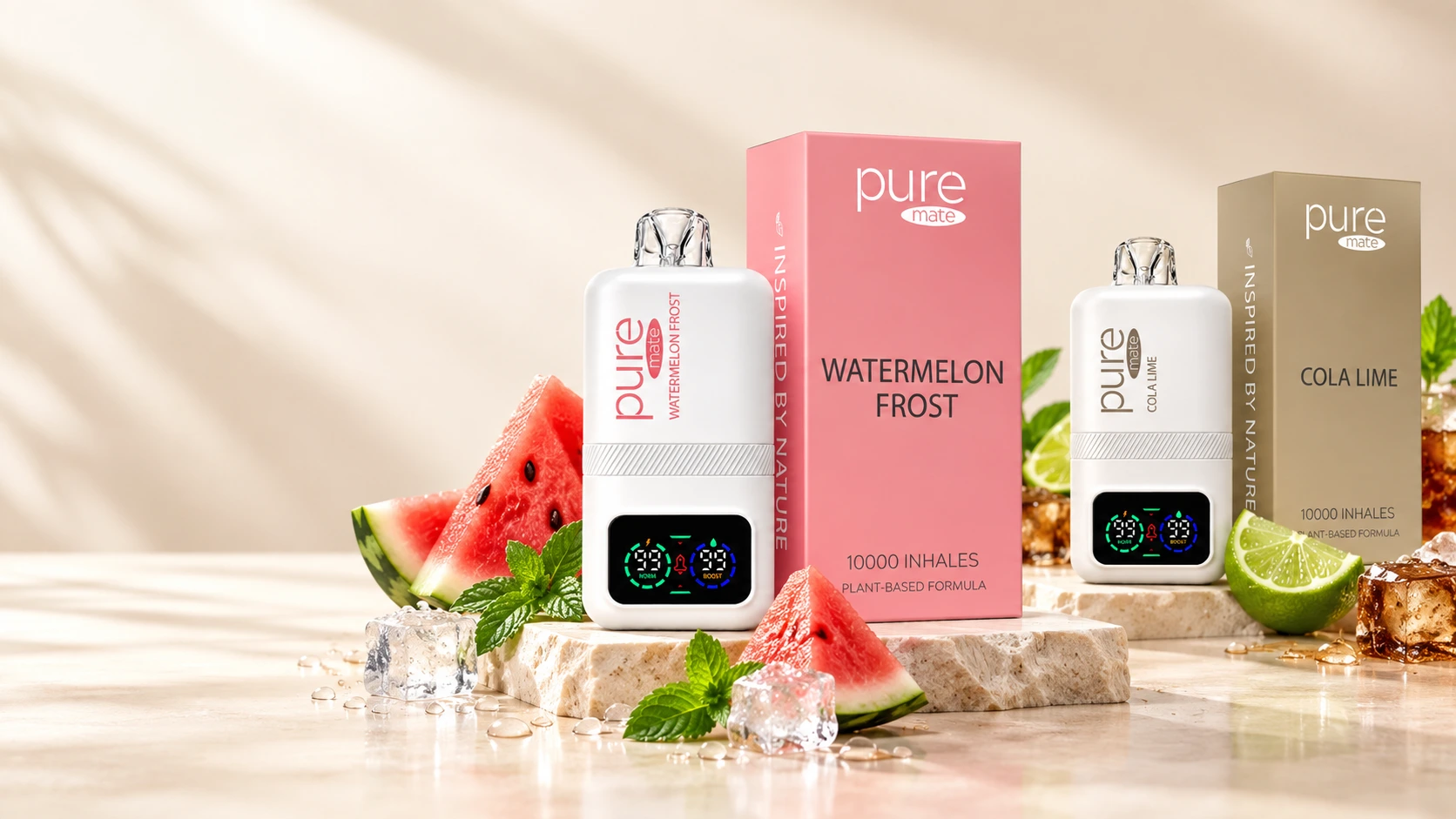
Start with the Pure Caffeine™ collection, review the exact flavor page, compare pack options, read the ingredients guide and lab reports, then contact support with your preferred flavor, pack option, quantity, shipping country, and product questions.
How to verify a vape with caffeine claim
The phrase “vape with caffeine” does not establish what is inside a specific device. Start with the exact product listing and look for a complete ingredient declaration, an identifiable product or model, and documentation that actually refers to that product. A category name is not a substitute for a product specification.
Find the ingredient declaration
Check whether caffeine is expressly named, rather than inferred from words such as energy, boost or alertness. Look for carrier ingredients and flavoring information as well. If a list is incomplete, treat the composition as unverified.
Match the exact device
Check the model, variant, packaging and any batch or lot information. A statement about a different product or a generic product family may not establish the composition of the device being considered.
Separate claims from measurements
A statement that caffeine is an ingredient does not, by itself, establish the amount emitted in an aerosol or absorbed by a person. Those are separate questions requiring relevant evidence.
For more detail, see the ingredient guide and the available laboratory documentation.
Read caffeine, nicotine and flavor claims separately
Marketing names may overlap, but ingredient statements answer different questions. Read each claim on its own terms, and check whether the product provides enough information to support it.
Is caffeine identified?
Look for an explicit ingredient or content statement. If a caffeine quantity is given, note whether it refers to the entire device, the liquid, or a measured emission. Those units are not interchangeable.
What does nicotine-free describe?
A nicotine-free claim concerns nicotine content; it does not establish the absence of other chemicals or prove inhalation safety. Compare the precise wording and available testing.
What else is disclosed?
Flavor names describe sensory positioning, not a complete chemical composition. Check the published ingredients and avoid assuming that a flavor name identifies every component.
Related reading: nicotine-free product claims and caffeine vape vs nicotine vape.
Which product claims need supporting evidence?
Use a practical evidence checklist instead of treating all statements on a product page as equally established. Missing information should remain an open question, not be filled in with an estimate.
“Contains caffeine”
Check for a named ingredient, a stated quantity where available, and product-specific supporting information. An ingredient listing alone does not measure inhaled exposure.
“Nicotine-free”
Review the declared nicotine content and any relevant testing. This wording does not mean risk-free, medically approved, or suitable for everyone.
“Fast” or “effective”
Claims about onset, alertness or performance require appropriate human evidence for the specific use. Do not infer clinical effects from the presence of caffeine or from a device’s puff count.
For limitations and unanswered safety questions, consult the safety guide.
Explore the Flavor Collection
Compare product details, ingredients and available pack options.
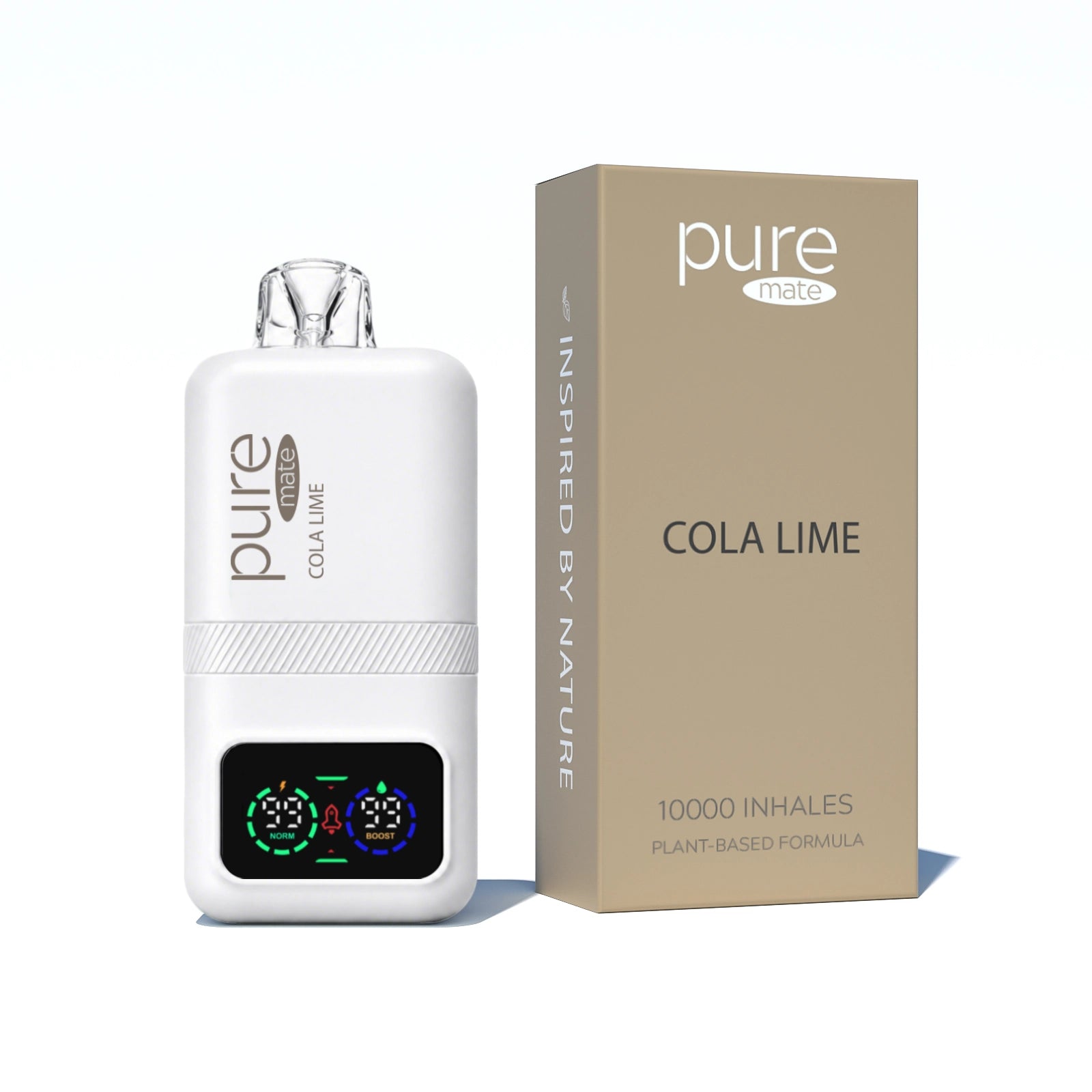
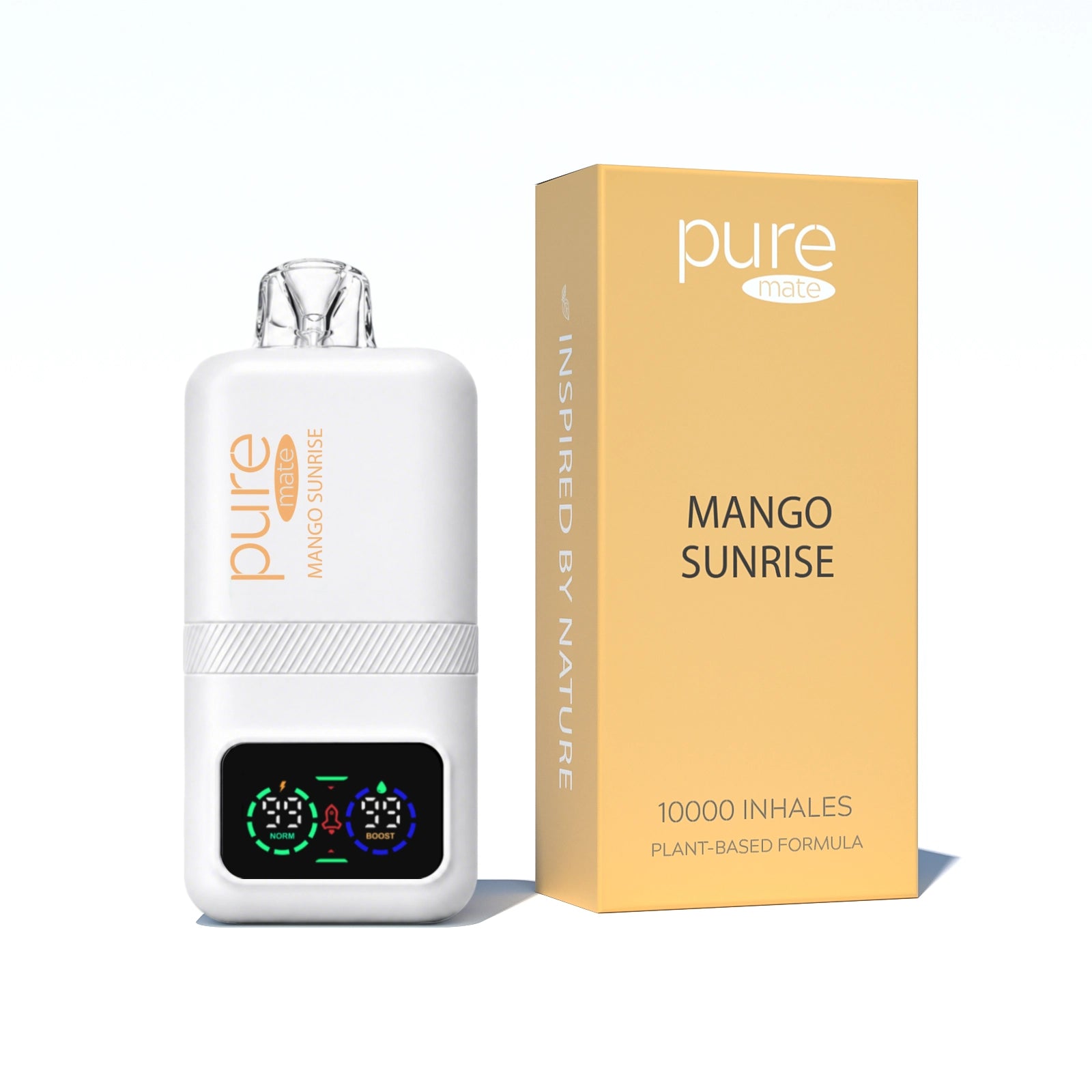
Apply the checklist to a specific product page
Use an actual product page to locate the declared ingredients, device details and available documentation. Flavor descriptions and pack offers do not establish caffeine delivery or inhalation safety.
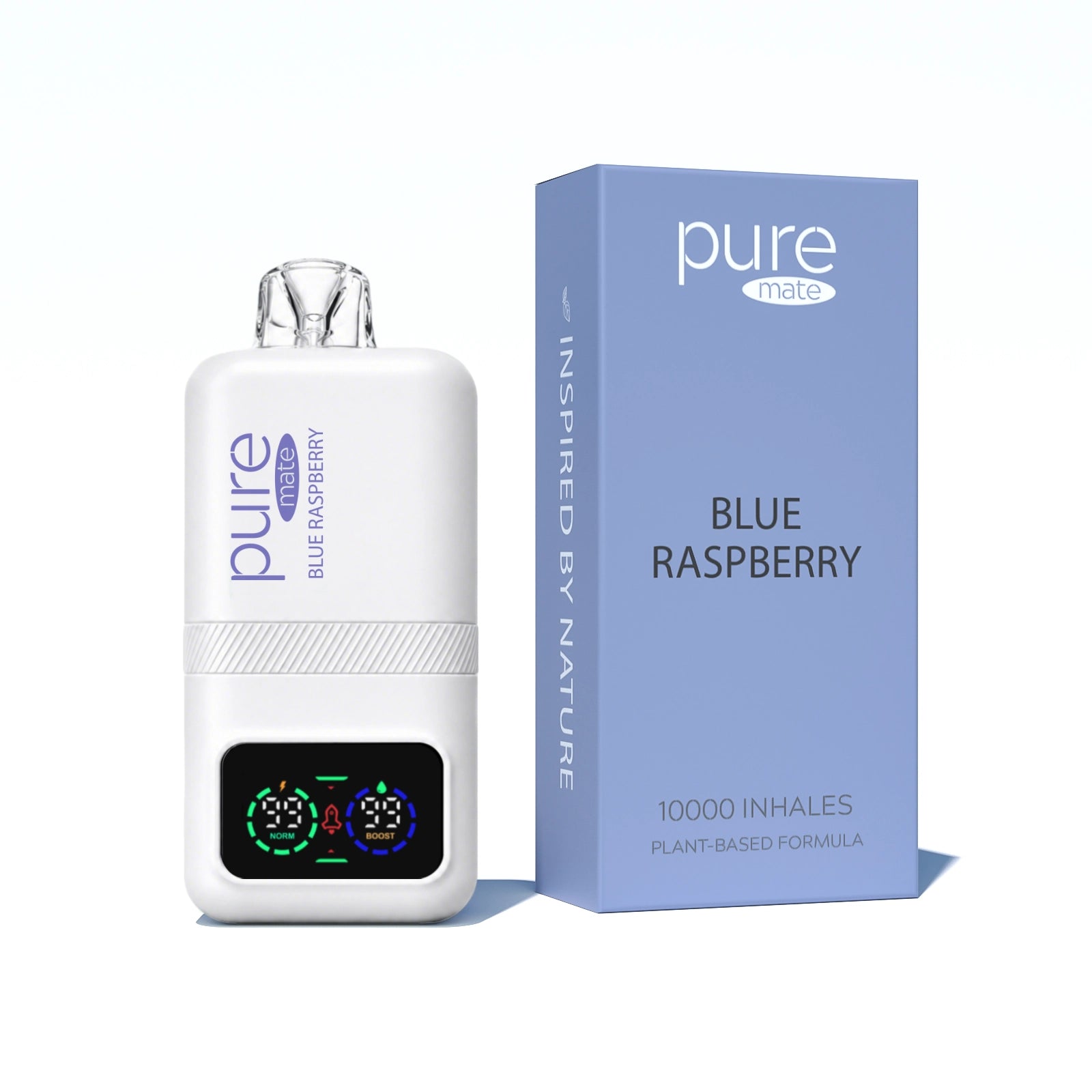
Blue Raspberry
Blue Raspberry is a bright berry-style flavor page to review if you are comparing vape with caffeine, caffeine vape pen, or caffeine diffuser pen options.
Check caffeine amount, puff count and device information
Three numbers that may appear in marketing materials—caffeine content, advertised puffs and battery capacity—describe different things. None should be used as a shortcut for an absorbed caffeine dose.
Identify the unit
If a label provides milligrams of caffeine, ask whether the number is per device, per milliliter, per serving, or based on an emission test. Do not convert between these without suitable data.
Do not invent mg per puff
Without product-specific aerosol measurements and an appropriate exposure assessment, an advertised puff count cannot establish how much caffeine reaches the user.
Check actual specifications
Compare the published device format, battery and charging information, liquid capacity and instructions when available. If a specification is missing, ask support rather than assuming it.
See how much caffeine is in a caffeine vape for a deeper explanation of dose uncertainty.
What a laboratory report can—and cannot—verify
Check whether a report matches the specific sample and identifies its test methods, analytes and units. A liquid ingredient test should not be presented as an aerosol-emission or absorbed-dose measurement.
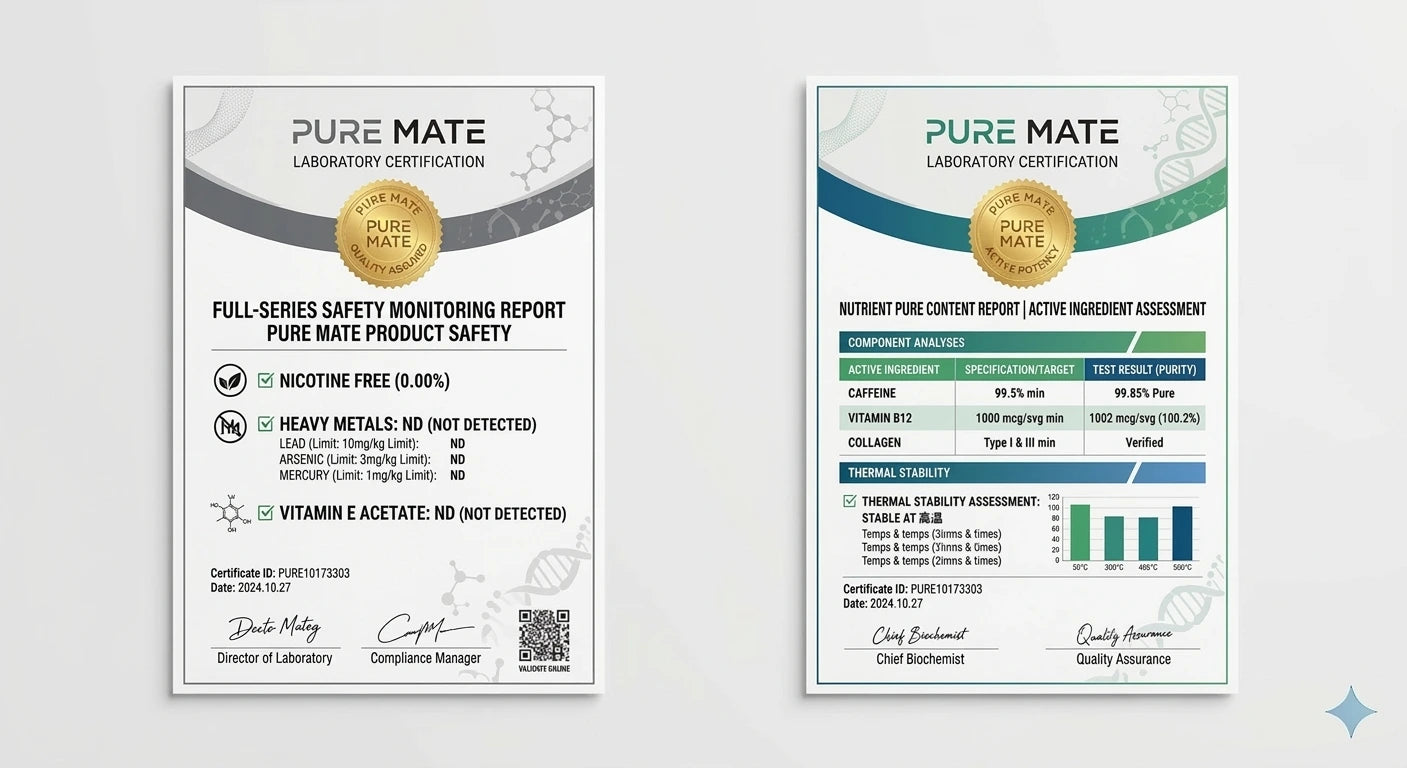
Questions to ask when product data is missing
Ask which product or batch a document covers, whether caffeine and nicotine were measured, and which device specifications are published. If data is unavailable, do not infer an answer.
Vape with caffeine: ingredient and evidence FAQ
How can I tell whether a vape actually contains caffeine?
Check the exact product’s ingredient declaration and any matching product-specific documentation. A product name or energy-themed description alone does not verify caffeine content.
Does nicotine-free mean a caffeine vape is safe?
No. A nicotine-free statement does not independently establish aerosol composition, inhalation safety or clinical suitability. Review the safety questions guide.
Can I calculate caffeine per puff from the puff count?
No reliable conversion follows from puff count alone. Device conditions, aerosol composition and exposure are separate from an advertised number of puffs. See the dose guide.
What should I check in a lab report?
Look for the sample identity, date, test method, substances measured, units and whether the report concerns ingredients, liquid content or aerosol emissions. A report cannot establish measurements it did not perform.
Is a flavor description a complete ingredient list?
No. Flavor names are not chemical inventories. Use the published ingredient information and ask support about missing details.
Where can I compare actual product pages?
Use the Pure Caffeine™ collection to inspect the available product pages, then compare their stated specifications and documentation rather than relying on category labels.
Compare product pages using the checklist
Review the collection and inspect the specific product page for ingredients, nicotine wording, dose disclosures and supporting documents before deciding what the evidence shows.
Compare Pure Caffeine™ guides, flavors, and bundle options
Use these related pages to compare nicotine-free caffeine vape-style diffusers, explore flavors, and continue to the product collection.