
Pure Caffeine™ Learning Hub
Pre-Workout Vape: What Does It Mean?
The phrase “pre-workout vape” appears in searches about
caffeine, energy products, and vape-style devices.
It is a search term rather than a standardized product
classification. Understanding the terminology, ingredients,
and limitations of available evidence is important
before comparing products.
What Is a Pre-Workout Vape?
A pre-workout vape is a term sometimes used to describe
a vape-style or diffuser-style product associated with
caffeine or energy-related marketing.
The phrase does not establish a specific formulation,
caffeine dose, delivery method, or demonstrated effect.
Different products may have different ingredients and
device specifications. A product should be assessed using
its own labeling and supporting documentation rather
than assumptions based on the term “pre-workout.”
Pre-Workout Vape vs. Traditional Pre-Workout Supplements
Traditional pre-workout supplements are generally consumed
orally and may contain caffeine alongside other ingredients.
Their formulations and labeled serving amounts vary.
A vape-style device involves a different route of exposure.
Research about caffeine consumed in drinks or supplements
does not establish the safety, absorbed dose, or effectiveness
of inhaled caffeine.
These formats should not be treated as interchangeable.
How Do Caffeine Vape-Style Devices Differ?
Vape-style devices can produce an aerosol, but the exact
device design and formulation determine what is generated.
The presence of caffeine in an ingredient list does not
by itself establish how much caffeine reaches the user
or enters the bloodstream.
For a broader explanation of product terminology,
read our
What Is a Caffeine Vape?
guide.
What Should You Check Before Comparing Products?
- Read the full ingredient information.
- Check the product’s stated nicotine content.
- Review device and formulation specifications.
- Look for relevant product documentation and test reports.
- Do not assume that a claimed benefit has been clinically demonstrated.
- Check applicable age restrictions and local rules.
You can also read our
Caffeine Vape Ingredients Guide
and
Caffeine Vape Safety & Questions
.
Does a Pre-Workout Vape Improve Exercise Performance?
Evidence about orally consumed caffeine cannot be
automatically applied to inhaled caffeine products.
The term “pre-workout vape” does not establish that
a particular device improves exercise performance,
alertness, endurance, or recovery.
The safety and effectiveness of a specific inhaled
formulation require evidence relevant to that product
and route of exposure.
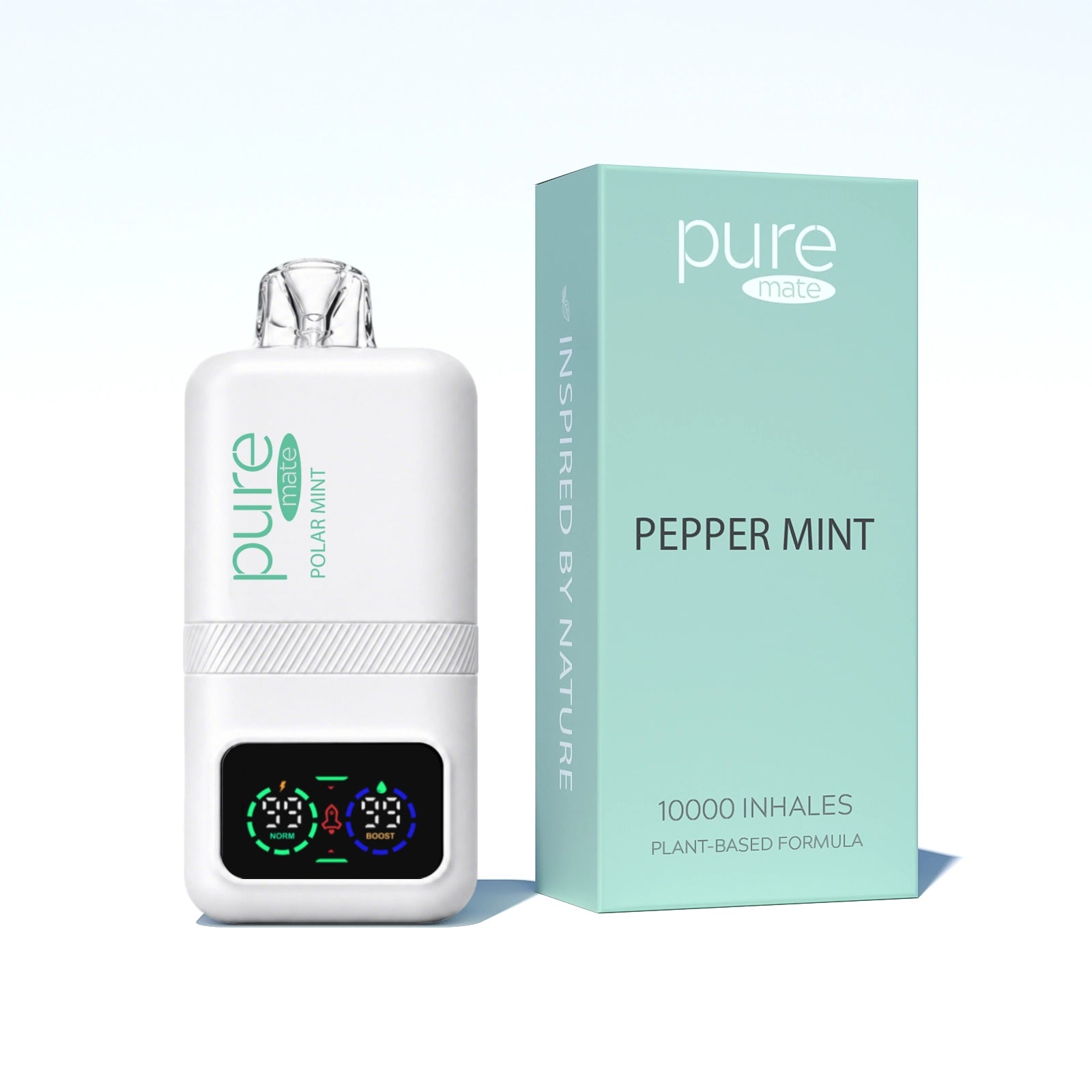
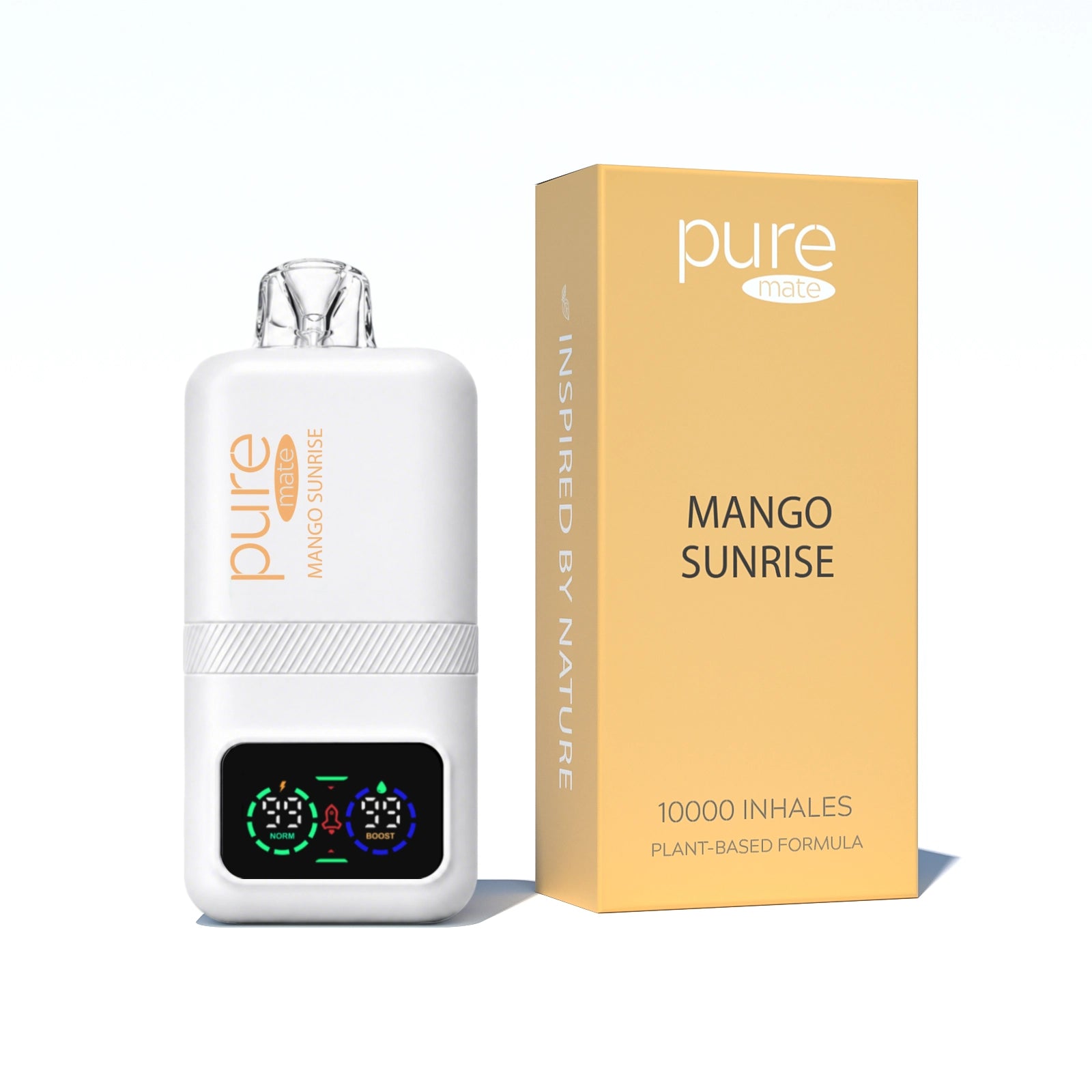
Explore the Flavor Collection
Compare product details, ingredients and available pack options.
Why Caffeine Timing and Dose Matter Before Exercise
People researching pre-workout products often want to know how much caffeine they may receive and when its effects might occur. These questions are especially important when comparing orally consumed supplements with products described as caffeine vapes or inhalers.
Traditional pre-workout supplements may provide a labeled caffeine quantity per serving. That label should still be checked carefully, but it offers a different type of information from a vape-style device’s advertised puff count.
A puff count does not establish how many milligrams of caffeine are released, inhaled, retained or absorbed. Without suitable product-specific measurements, there is no reliable basis for converting a stated number of puffs into a caffeine dose.
The timing of caffeine effects also cannot be assumed from the delivery format. Research involving orally consumed caffeine does not automatically establish the absorption rate, onset of effects or duration of action of a caffeine-containing aerosol.
For a detailed explanation of these measurement questions, read our How Much Caffeine Is in a Caffeine Vape? guide.
Our How Do Caffeine Vapes Work? article also explains the distinction between formulation ingredients, aerosol emissions and human absorption.
Exercise-Related Safety Questions
Caffeine can produce unwanted effects, including nervousness, sleep disruption, palpitations and an increased heart rate in some circumstances. Individual responses vary, and the possibility of unwanted effects should not be overlooked simply because a product is marketed for energy or exercise.
Exercise itself places demands on the cardiovascular and respiratory systems. A marketing term such as “pre-workout vape” does not establish that a particular inhaled formulation has been evaluated for use before, during or after physical activity.
Before comparing products, consider these questions:
- Total caffeine exposure: Are you also consuming coffee, energy drinks, caffeine tablets or a traditional pre-workout supplement? Combining caffeine sources can increase overall exposure, while an unverified inhaled dose makes the total more difficult to estimate.
- Product-specific evidence: Has the exact formulation and device been evaluated for emissions, exposure and relevant safety outcomes?
- Individual considerations: Could caffeine sensitivity, existing health concerns, medications or other stimulants affect the suitability of caffeine exposure?
- Exercise claims: Is a claimed improvement in endurance, focus, strength or recovery supported by research involving the actual product and delivery route?
Nicotine-free labeling does not mean that inhalation is risk-free. An ingredient report also does not independently demonstrate the safety of the aerosol produced by a finished device.
See our Caffeine Vape Safety & Questions guide for a broader discussion of these evidence limitations.
Anyone experiencing chest pain, fainting, severe breathing difficulty or other potentially serious symptoms during exercise should stop the activity and seek appropriate urgent medical attention. This article is educational information, not individualized medical advice or an exercise recommendation.
What Evidence Would Support a Pre-Workout Claim?
Product marketing and scientific evidence are not the same thing. A description such as “energy vape,” “caffeine inhaler” or “pre-workout vape” does not independently demonstrate a physiological effect.
Different claims require different types of evidence:
- Ingredient claims: Relevant analysis of the identified formulation or tested sample may help establish what that sample contains.
- Caffeine delivery claims: Appropriate emissions measurements would be needed to establish the amount of caffeine released under specified testing conditions.
- Absorption and onset claims: Evidence addressing human exposure and uptake would be needed before making reliable statements about absorbed caffeine or speed of action.
- Exercise-performance claims: Well-designed research involving the specific product, delivery route and claimed outcome would be needed to support statements about endurance, strength, alertness during exercise or recovery.
- Inhalation safety claims: Relevant product-specific exposure and safety evidence would be needed. An ingredient certificate alone does not establish finished-device inhalation safety.
When reading a laboratory document, check the tested sample, methods, measured substances, test conditions and stated limitations. Our Lab Reports page provides access to available documentation and transparency resources.
For a comparison with a familiar orally consumed caffeine source, see Caffeine Vape vs Coffee. Differences in format should not be interpreted as proof of equivalent caffeine doses, faster effects or superior safety.
Bottom line: A pre-workout vape is not a standardized performance category. Product specifications, actual caffeine delivery, exposure and exercise-related effects are separate questions that should be evaluated using appropriate evidence.
Frequently Asked Questions
Is a pre-workout vape the same as a caffeine vape?
The terms may overlap in online searches, but neither
phrase guarantees a particular formulation or caffeine
delivery amount. Check the actual product details.
Do all pre-workout vapes contain caffeine?
No standardized ingredient definition follows from
the search term. Product composition must be checked
individually.
Is vaping caffeine proven safe?
The safety of inhaling a particular caffeine formulation
cannot be established from research on drinking caffeine.
Product-specific evidence and the route of exposure matter.
Are pre-workout vapes nicotine-free?
Nicotine content depends on the specific product.
Check its label and supporting ingredient information
rather than relying on the product category name.
Explore Related Caffeine Vape Guides
Continue with our
Caffeine Inhaler Guide
,
Caffeine Diffuser Guide
,
and
Caffeine Vape No Nicotine Guide
.
These resources explain terminology and product
information; they do not establish the safety or
effectiveness of inhaled caffeine.
Compare Pure Caffeine™ guides, flavors, and bundle options
Use these related pages to compare nicotine-free caffeine vape-style diffusers, explore flavors, and continue to the product collection.