
Caffeine Vape Juice: Ingredients, Research & Risks
Caffeine vape juice, also called caffeine e-liquid, is a liquid containing caffeine intended for use in an aerosol-producing device. Its composition, caffeine concentration and potential health effects depend on the product. Published research on inhaled caffeine remains limited.
This guide explains the differences between refill liquids and prefilled devices, what laboratory measurements can tell us, and which questions remain unanswered.
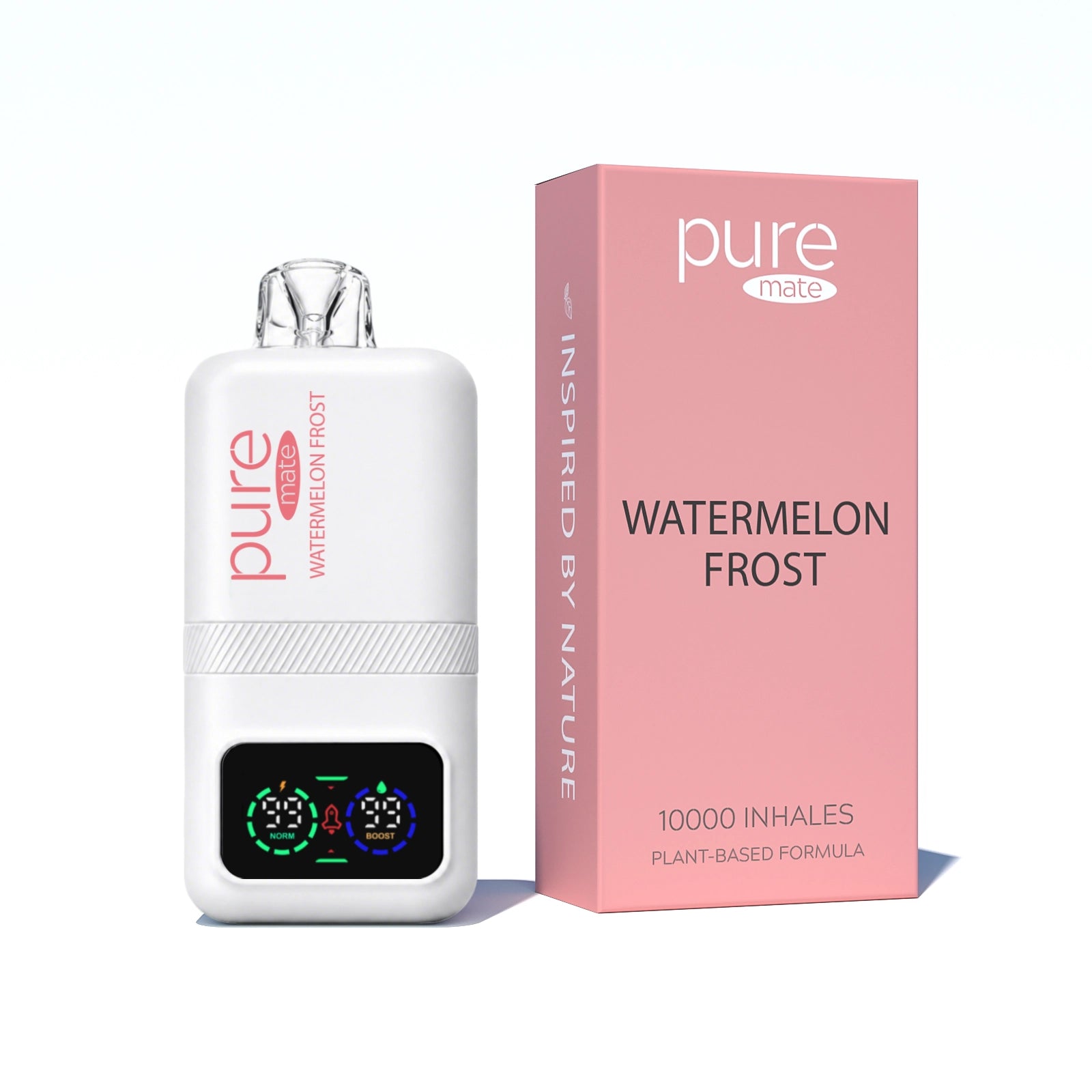
Caffeine vape juice is an e-liquid containing caffeine. It may be supplied separately as a refill liquid or already contained inside a prefilled device. A product described as a caffeine diffuser is not necessarily refillable.
Finding caffeine in a liquid does not establish how much caffeine reaches the lungs, enters the bloodstream or produces a measurable effect. Nicotine-free does not mean risk-free.
Caffeine Vape Juice, E-Liquid and Diffusers
These terms describe related but different concepts. Understanding the distinction helps prevent confusion about product ingredients and device formats.
Caffeine E-Liquid
A liquid formulation containing caffeine and other ingredients. The complete composition varies between manufacturers and products.
Prefilled Caffeine Vape
A device supplied with liquid already inside it. Its aerosol characteristics depend on both the formulation and device construction.
Caffeine Diffuser
A commercial term used for some caffeine-containing inhalation devices. The name alone does not identify the exact operating mechanism or establish safety.
For additional terminology, see our caffeine vape overview.
What Does Caffeine Vape Juice Contain?
There is no universal caffeine e-liquid formula. Ingredient identity, concentration, purity and aerosol emissions are separate properties that require different types of testing.
Caffeine
A stimulant commonly consumed in coffee and tea. Research on oral caffeine cannot automatically establish the effects of inhaled caffeine.
Carrier Ingredients
Vegetable glycerin and propylene glycol are examples of carriers used in e-liquids. The exact ingredients depend on the formulation.
Flavorings and Additives
Additional compounds may be present. Suitability for food consumption does not establish suitability for repeated inhalation.
A certificate describing the purity of a raw ingredient cannot, on its own, establish its concentration in a finished liquid or the amount emitted by a device.
See the Caffeine Vape Ingredients Guide for a separate explanation of ingredient documentation.
Caffeine E-Liquid vs. Prefilled Caffeine Devices
| Feature | Refill e-liquid | Prefilled device |
|---|---|---|
| Format | Separate liquid container | Liquid contained inside a device |
| Device relationship | Requires a compatible device | Integrated or manufacturer-specified system |
| Composition | Specific to the liquid formulation | Specific to the enclosed formulation |
| Aerosol properties | Depend on liquid and device | Depend on liquid and device |
| Health evidence | Product-specific evidence needed | Product-specific evidence needed |
Neither format establishes a predictable caffeine dose or a proven health advantage simply because of its design.
What Does Research Say About Caffeinated Vape Juice?
Researchers have measured caffeine in commercial e-liquids. Chemical analysis provides useful composition data, but it is not equivalent to clinical evidence of safety or effectiveness.
44 E-Liquid Samples
Lisko and colleagues examined 44 samples from refill liquids, cartridges and disposable devices. Caffeine content differed substantially across the sampled products.
Labels and Flavor Names
Caffeine was not detected in the sampled energy drink-flavored liquids, whereas most products marketed as energy enhancers contained measurable caffeine. A flavor name is not a reliable measurement of composition.
Source: Lisko et al., 2017.
Uncertain Inhalation Risks
The National Academies reviewed evidence about e-cigarette constituents and emphasized the limited understanding of health consequences from inhaling caffeine.
Neither publication is a clinical trial of current Pure Caffeine products. These findings cannot be used to verify a product-specific inhaled dose, predict alertness or establish long-term safety.
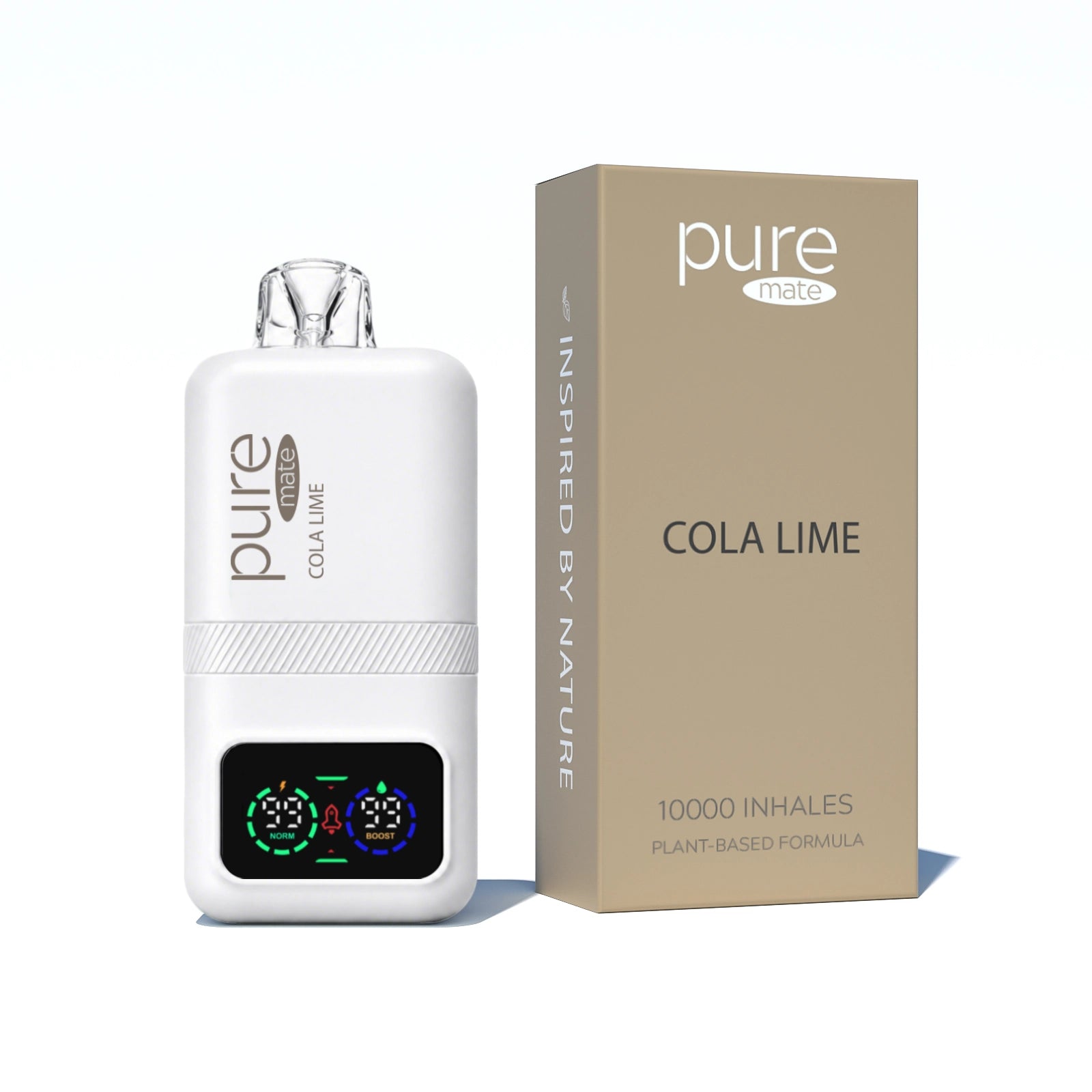
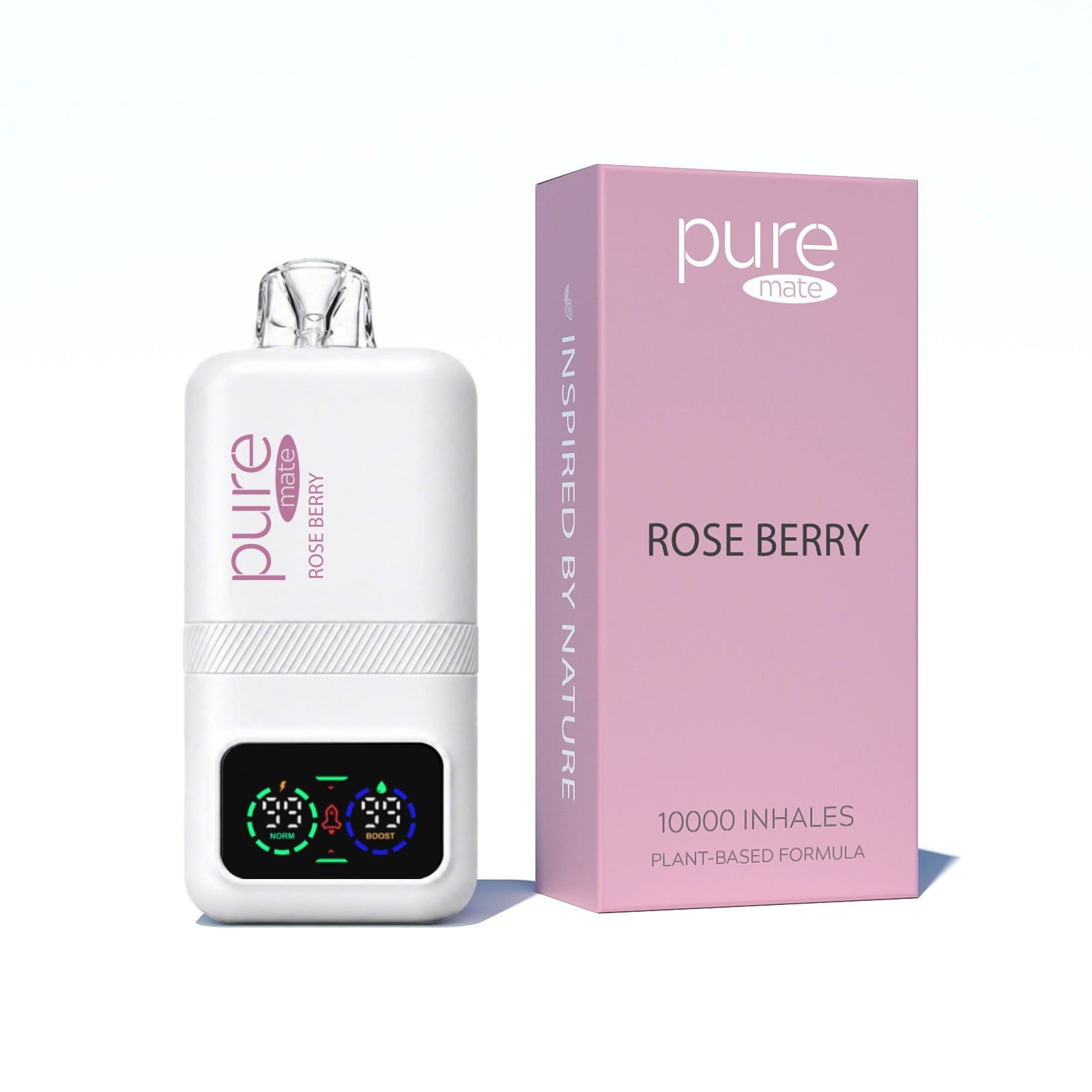
Explore the Flavor Collection
Compare product details, ingredients and available pack options.
Caffeine Concentration Is Not the Same as Inhaled Dose
Several different measurements are needed to understand exposure from a caffeinated liquid.
Liquid Concentration
The amount of caffeine present in a measured quantity of finished liquid.
Aerosol Emissions
The amount of caffeine and other constituents detected in aerosol produced under defined laboratory conditions.
Systemic Exposure
The amount reaching the bloodstream, which requires additional biological or clinical evidence.
Without appropriate product-specific measurements, liquid concentration and advertised puff counts cannot reliably establish caffeine intake or equivalence to a cup of coffee.
Is Caffeine Vape Juice Safe?
Available evidence is insufficient to establish that caffeine-containing aerosols are safe to inhale. The absence of nicotine does not remove potential risks associated with other aerosol constituents or caffeine exposure.
Respiratory Exposure
Inhaling an aerosol is different from swallowing a food or beverage. Exposure through the lungs requires its own safety assessment.
Caffeine Effects
Caffeine can affect sleep, heart rate and anxiety symptoms. The dose and effects of inhaled formulations may be uncertain.
Long-Term Evidence
Product-specific research is necessary to characterize repeated exposure and longer-term health outcomes.
The safest approach is to avoid inhaling these products. Do not use e-liquid as a drink, inject it, or attempt to prepare homemade caffeine e-liquid from caffeine powder or beverage ingredients.
See our Caffeine Vape Safety Questions resource for a more detailed discussion of evidence limitations.
Does Pure Caffeine Sell Standalone Caffeine E-Liquid?
Understanding the Product Format
Pure Caffeine product information describes finished, prefilled diffuser-style devices rather than separate bottles of refill e-liquid.
Available laboratory documents should be interpreted according to the samples tested, methods reported and scope of each document. They do not establish overall inhalation safety.
Caffeine Vape Juice FAQ
What is caffeine vape juice?
It is a liquid containing caffeine intended for use in an aerosol-producing device. Composition and concentration vary between products.
Is caffeine e-liquid the same as caffeinated vape juice?
These terms generally refer to the same type of liquid. However, they do not identify a standardized formula, caffeine concentration or device format.
Does all vape juice contain caffeine?
No. Caffeine is not a required ingredient in e-liquids. Its presence must be established through appropriate product information or chemical testing.
Does caffeine vape juice contain nicotine?
Caffeine and nicotine are different compounds. A product may contain either, both or neither. A caffeine label alone does not establish nicotine content.
How much caffeine is in one puff?
There is no universal value. Reliable estimates require product-specific aerosol measurements and clearly defined testing conditions.
Is vaping caffeine equivalent to drinking coffee?
No. The exposure routes differ. Evidence about caffeine consumed in beverages cannot establish equivalent inhaled doses, effects or safety.
Can you make caffeine vape juice at home?
Homemade caffeine-containing inhalation formulations are not recommended. Caffeine powder, food flavorings and beverages should not be assumed suitable for aerosolization or inhalation.
Is caffeine vape juice proven safe?
No. Existing composition studies and general e-cigarette research are insufficient to establish the safety of inhaled caffeine products.
Scientific References
Lisko JG, et al. (2017)
Caffeine Concentrations in Coffee, Tea, Chocolate, and Energy Drink Flavored E-liquids.
Nicotine & Tobacco Research. 19(4):484-492. PMID: 27613945.
CDC Public AccessNational Academies (2018)
Public Health Consequences of E-Cigarettes. Chapter 5: Toxicology of E-Cigarette Constituents.
DOI: 10.17226/24952.
National Academies PressEditorial review: November 27, 2026. References concern general e-liquid and inhalation research. This guide is not an exhaustive systematic review or medical advice.
Related Ingredient and Research Guides
Compare Pure Caffeine™ guides, flavors, and bundle options
Use these related pages to compare nicotine-free caffeine vape-style diffusers, explore flavors, and continue to the product collection.