
Caffeine Diffuser Guide
A caffeine diffuser is a term used for certain diffuser-style products. This guide explains how the term relates to caffeine vape-style devices and what to check about nicotine-free positioning, flavor information, ingredients and available documentation before ordering.
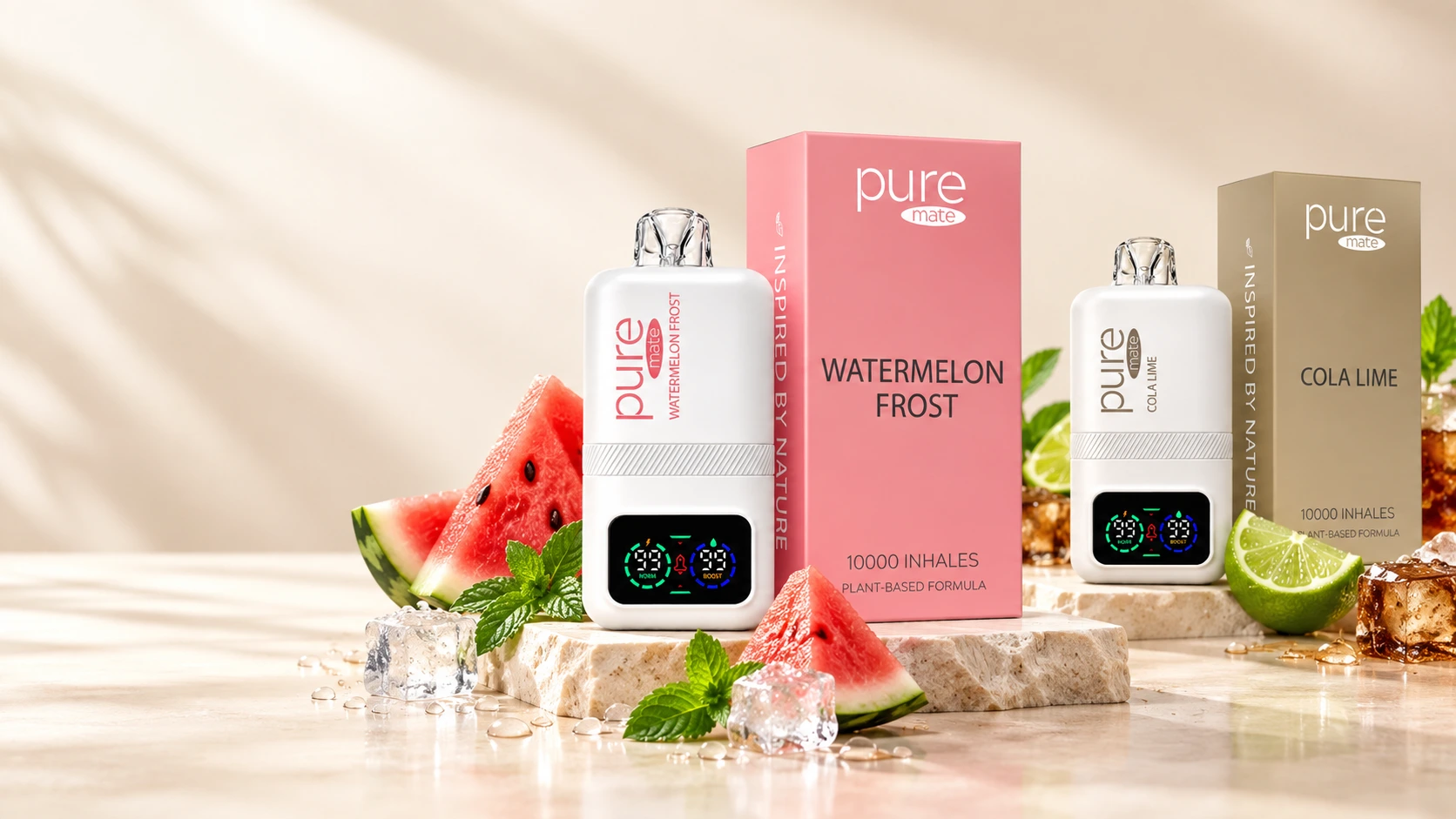
The phrase can describe caffeine vape-style or diffuser-style products. Shoppers should compare flavor pages, nicotine-free positioning, ingredient resources, lab report access, FAQ, and contact support before placing an order.
What makes a caffeine diffuser page useful?
A strong caffeine diffuser page should help shoppers understand the product format, review flavor options, and find transparency resources before asking about an order.
Clear diffuser-style wording
The page should explain the product in plain language without relying only on broad category terms.
Easy flavor comparison
Shoppers should be able to compare flavor pages, product images, and pack options before contacting support.
Ingredients and support
Ingredient resources, lab report access, FAQ, and contact support help shoppers review details before placing an order.
Pure Caffeine™ diffuser-style flavor pages
Pure Caffeine™ organizes caffeine diffuser-style product information through flavor pages, pack options, ingredient resources, lab report access, FAQ, and online ordering and customer support.
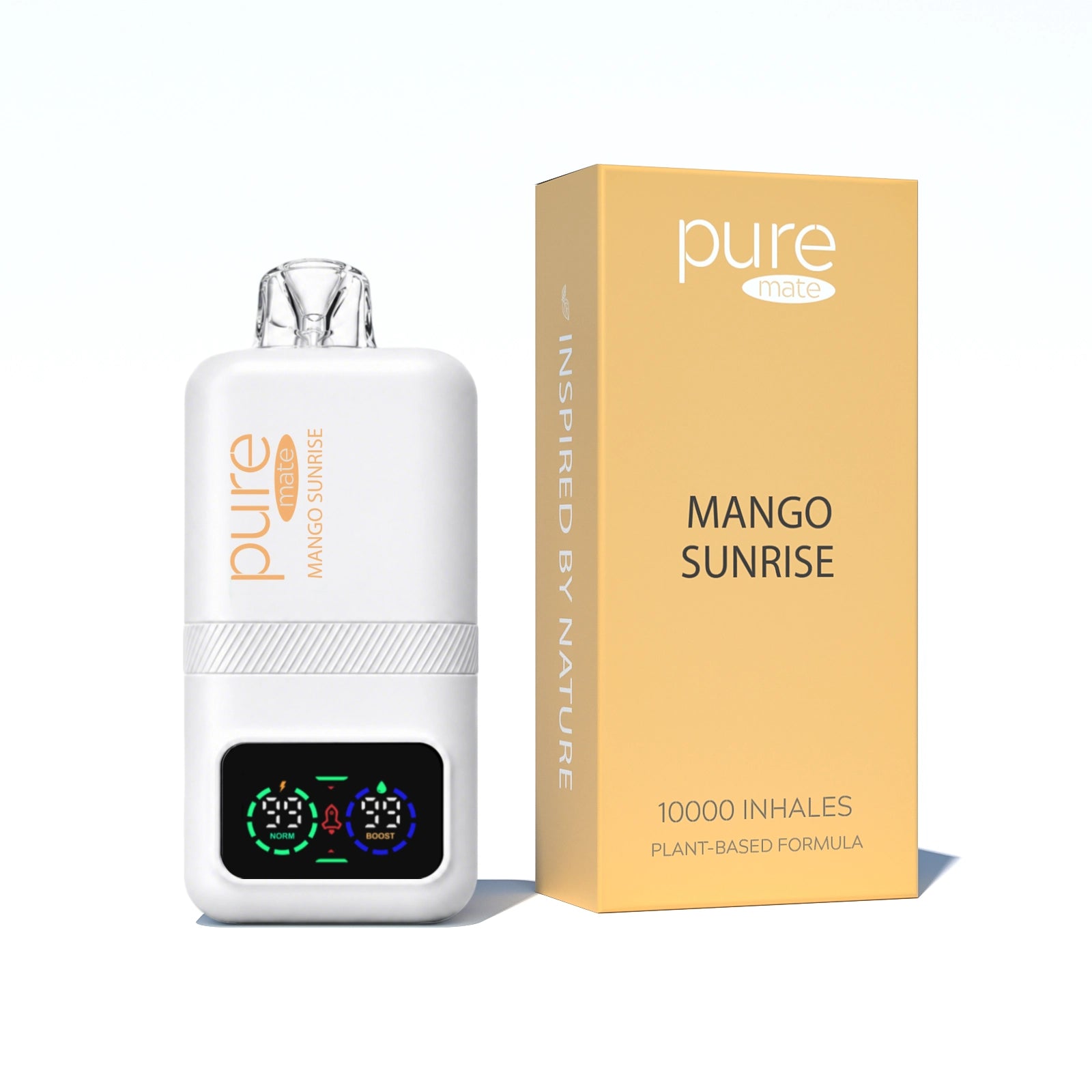
Compare the flavor collection
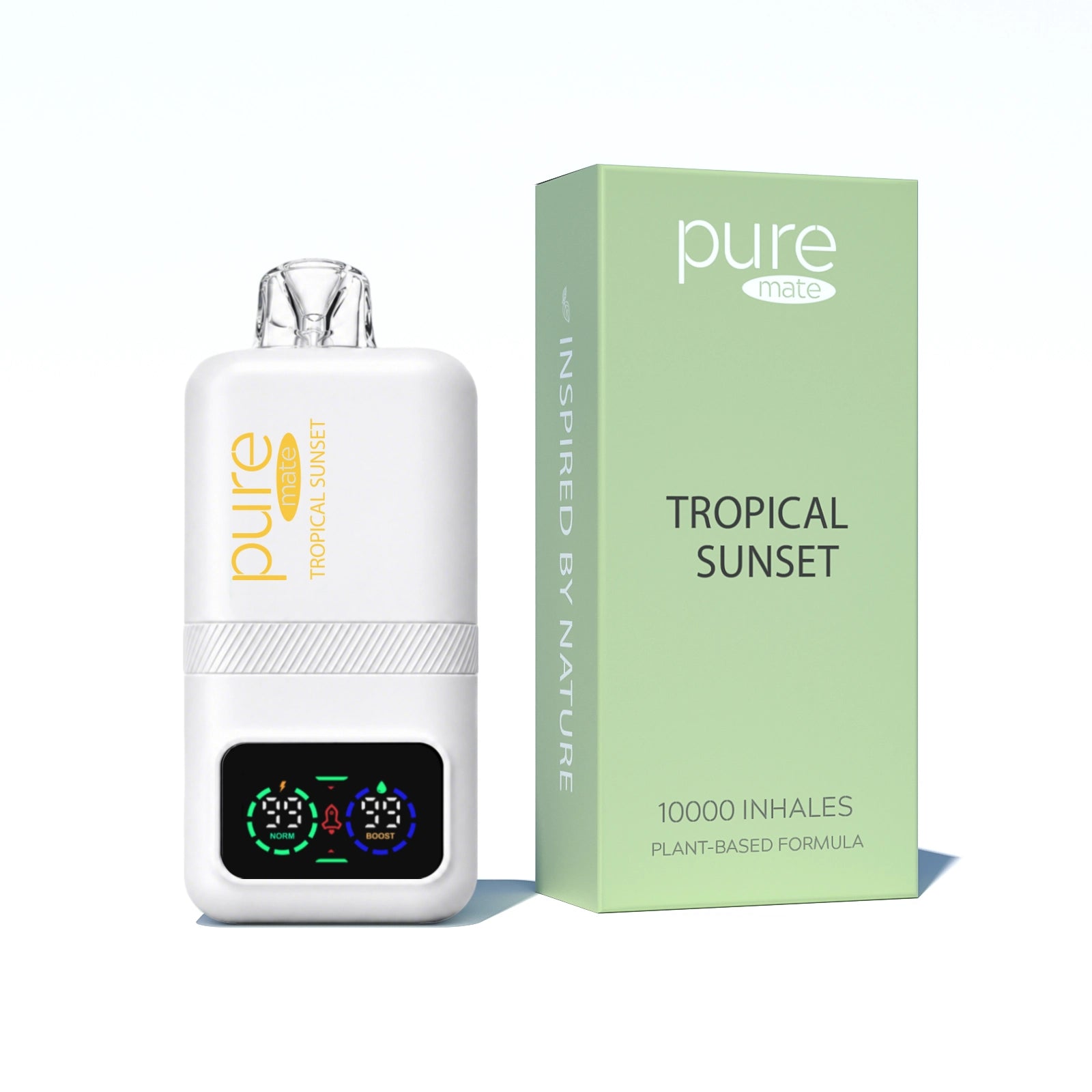
Review Watermelon Frost, Cola Lime, Mango Sunrise, Polar Mint, Blue Raspberry, Rose Berry, Tropical Sunset, and Vanilla Caramel Cream.
Related caffeine vape guides
Continue with related guides to compare nicotine-free positioning, category wording, product comparison, and ingredient resources.
DEVICE SCIENCE & PRODUCT EVIDENCE
What Is a Caffeine Diffuser, Technically?
Caffeine diffuser is a broad product and search term, not a single standardized delivery technology. To understand a particular device, consumers need to know how it operates, what materials it releases, and whether caffeine delivery has actually been measured.
Three Different Technologies Often Confused
Passive Diffusion
Passive fragrance diffusers release volatile substances into surrounding air. The word diffuser alone does not establish that caffeine becomes airborne or reaches the body.
Liquid Aerosol Generation
Some devices mechanically disperse liquid into droplets. An aerosol contains particles or droplets suspended in gas. Its composition and particle-size distribution depend on the formulation and device.
Heated Vaporization
Heating a liquid may generate vapor that subsequently condenses into aerosol droplets. Heating conditions and ingredients can affect emissions. Product-specific testing is necessary to characterize exposure.
Aerosol Is Not the Same as Harmless Water Vapor
Vapor refers to a substance in its gas phase, while an aerosol consists of particles or droplets suspended in gas. Real device emissions may involve both processes. The CDC notes that e-cigarette aerosol is not harmless water vapor. This general information does not constitute a laboratory assessment of Pure Caffeine devices.
Can Caffeine Actually Be Delivered Through a Diffuser?
A product name or caffeine ingredient declaration does not prove a measured inhaled dose. Establishing delivery requires information about the device, formulation, emitted caffeine, exposure conditions and, where relevant, human absorption.
Research involving caffeine powder introduced into the mouth cannot automatically establish the behavior of caffeine in a heated or mechanically generated aerosol.
What Should Product Testing Include?
- Device identification: Model, operating mechanism and relevant technical specifications.
- Ingredient verification: Actual formulation and measured caffeine concentration.
- Emission characterization: Relevant emitted constituents and particle measurements where applicable.
- Contaminant testing: Appropriate analytical methods and clearly stated detection limits.
- Traceability: Batch number, testing date, laboratory and report scope.
- Evidence limitations: Clear distinction between ingredient testing, emissions testing and human exposure studies.
Consumer Questions
Does every caffeine diffuser use heat?
No. The term diffuser does not identify a single operating mechanism. Consult the exact device specifications.
Is a nicotine-free diffuser automatically safe?
No. Nicotine status does not establish the safety of other ingredients, emissions or exposure conditions.
Does a stated puff count tell me the caffeine dose?
No. Puff count alone does not establish emitted caffeine per puff or the amount absorbed by a user.
Scientific and Public Health References
- CDC: About E-Cigarettes — general aerosol and exposure information.
- Laizure et al. (2017) — research on oral caffeine powder, not a heated diffuser.
- FDA: How Much Caffeine Is Too Much? — general caffeine information.
Evidence boundary: These references do not verify the formulation, emitted caffeine dose, safety or effectiveness of Pure Caffeine products. This material is educational and does not replace product-specific testing or medical advice.
Explore the Flavor Collection
Compare product details, ingredients and available pack options.
Caffeine diffuser questions
Is a caffeine diffuser the same as a caffeine vape?
People may use both phrases when comparing caffeine vape-style or diffuser-style products. Review the specific product page and support resources rather than relying on the phrase alone.
Why use the word diffuser?
“Diffuser” is often a more product-focused way to discuss flavor pages, nicotine-free positioning, ingredient resources, and support information.
Where should I start?
Start with the flavor collection, then review ingredients, lab reports, FAQ, and contact support if you have product or ordering questions.
Is this guide medical advice?
No. This guide is for adult-use product education only and is not medical advice. Products are not intended to diagnose, treat, cure, or prevent any disease.
Compare Pure Caffeine™ diffuser-style flavors
Review flavor pages, product images, pack options, ingredient resources, lab report access, FAQ, and support before placing an order.
Explore More
Compare Pure Caffeine Vape-Style Options
Browse the full Pure Caffeine™ caffeine vapes collection, compare caffeine diffuser-style pens, review ingredients, and explore buying guides before choosing a flavor or pack option.
Looking specifically at pen-style formats? Continue with the Pure Caffeine diffuser pen guide to compare terminology, flavors and related buying resources.
Compare Pure Caffeine™ guides, flavors, and bundle options
Use these related pages to compare nicotine-free caffeine vape-style diffusers, explore flavors, and continue to the product collection.