
Pure Caffeine™ Learning Hub · Product Education
How Do Caffeine Vapes Work?
The phrase “caffeine vape” can describe different inhalable or diffuser-style products. Understanding a particular product means checking its actual device design, ingredients and supporting documentation—not relying on the category name alone. This guide explains the questions worth asking and the limits of what can be concluded about inhaled caffeine.
How does a caffeine vape device work?
Products sold as caffeine vapes, caffeine inhalers or caffeine diffusers do not necessarily use the same mechanism. Some electronic devices heat a formulation to generate an aerosol; other inhaler-style products may use different designs. The exact mechanism must be verified for the specific product.
For a device that generates an aerosol electronically, the general components may include a power source, a heating or aerosol-generation element, a formulation and a mouthpiece. This is a category-level explanation, not a verified specification for every Pure Caffeine™ device. Read the individual product listing before assuming how a particular model works.
For the broader terminology, see What Is a Caffeine Vape? and our Caffeine Inhaler Guide.
Vapor and aerosol: what is the difference?
“Vape” is a common product term, but an inhaled cloud generated by an electronic device can be an aerosol: tiny liquid droplets or particles suspended in air. Its composition depends on the formulation and operating conditions. A visible cloud does not establish what it contains or whether inhalation is safe.
Different products may have different ingredients and emissions. See the Caffeine Diffuser Guide for more about product terminology.
Does a caffeine vape deliver a known amount of caffeine?
Not from the name, flavor or advertised puff count alone. Those details do not establish how much caffeine enters the generated aerosol, how much is inhaled, or how much the body absorbs. Product-specific analytical testing and exposure evidence would be needed to support those conclusions.
Research on caffeine consumed in coffee, tea or tablets cannot automatically establish the dose, effects or safety of inhaled caffeine. Claims about rapid effects or equivalence to a cup of coffee require evidence specific to the formulation and delivery route.
Review our Caffeine Vape Ingredients Guide for information to look for in product documentation.
Explore the Flavor Collection
Compare product details, ingredients and available pack options.
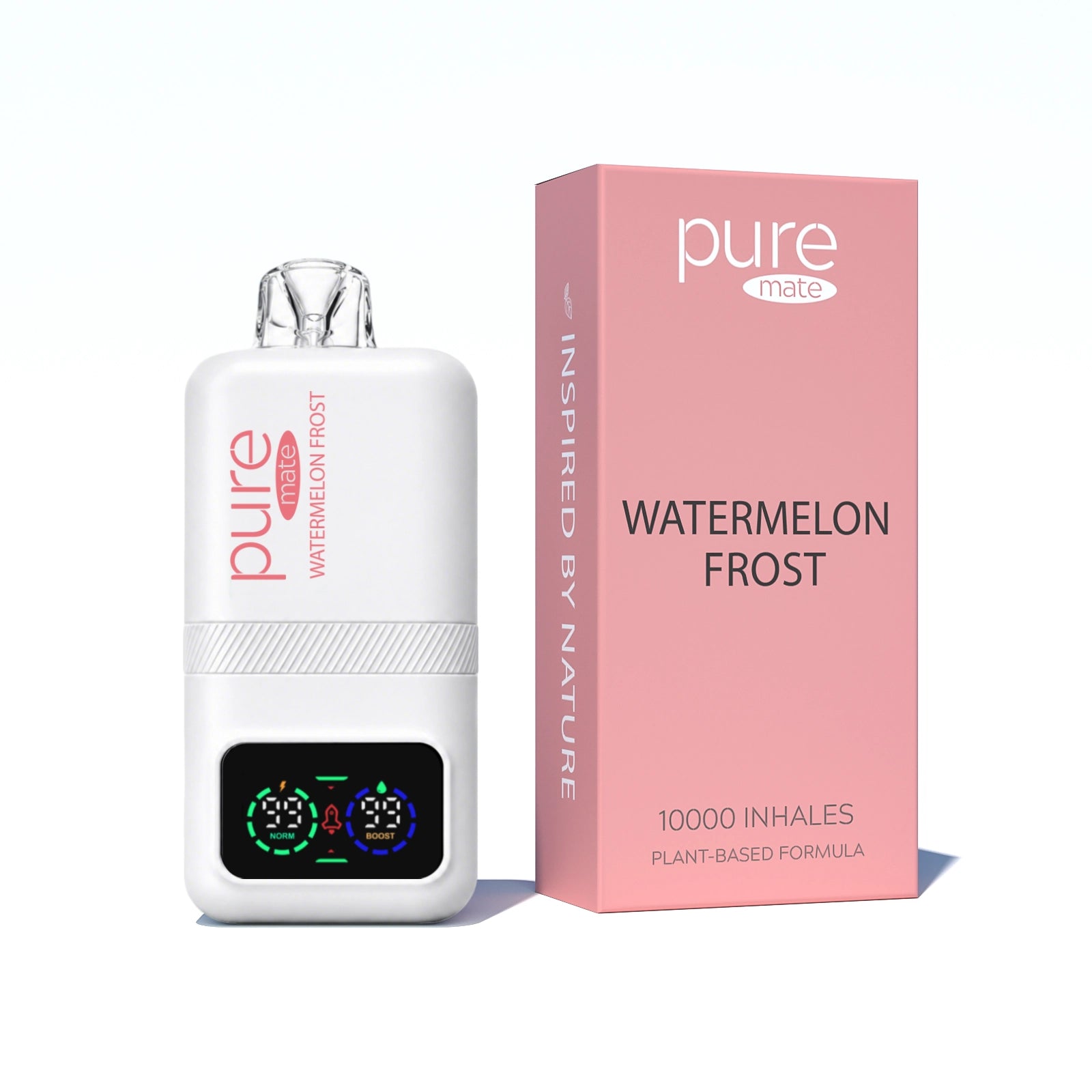
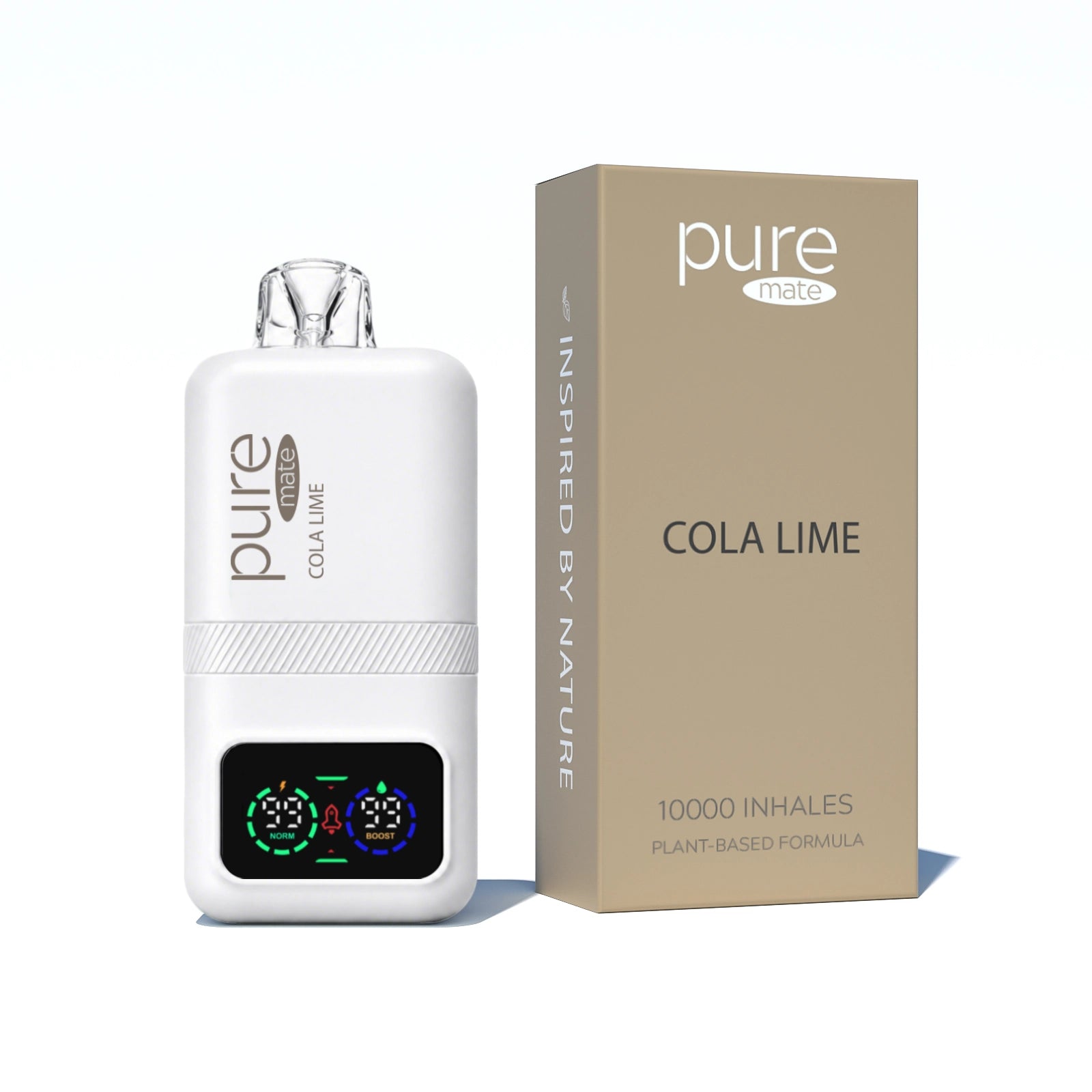
What Happens During a Puff? Four Distinct Stages
To understand how an electronic caffeine vape-style device might work, it helps to separate the formulation inside the device from what is generated, inhaled and ultimately absorbed. These are different stages, and evidence from one stage cannot automatically establish what happens at another.
- Formulation: A product contains a formulation described in its specifications or ingredient information. The presence of caffeine in a formulation does not, by itself, tell us how much caffeine will appear in an emitted aerosol.
- Aerosol generation: In electronic devices designed to generate an aerosol, a power source operates an aerosol-generating component. Some designs use heating, but the precise components, operating conditions and mechanism must be verified for the specific model. This description is not a confirmed internal specification for every Pure Caffeine™ product.
- Emissions: The material leaving the mouthpiece may contain droplets, particles or other constituents depending on the device and formulation. Measuring the original ingredients is different from measuring the composition and quantity of substances emitted during use.
- Exposure and absorption: An emitted quantity is not necessarily the amount a person inhales, retains or absorbs into the bloodstream. Actual exposure depends on factors that cannot be established from a flavor name, device appearance or advertised puff count alone.
This distinction is particularly important when comparing inhaled products with coffee, energy drinks or caffeine tablets. The known effects of orally consumed caffeine do not establish equivalent delivery, onset or safety for a different route of exposure.
What Evidence Would Verify Caffeine Delivery?
Several different measurements would be needed to make a reliable, product-specific statement about caffeine delivery. Each type of evidence answers a narrower question:
- Formulation analysis: Identifies or measures substances in the tested formulation or sample. It does not automatically establish aerosol emissions.
- Emissions testing: Measures substances released under defined device settings and puff conditions. Results depend on the tested model, sample, method and operating conditions.
- Repeatability testing: Examines whether measured emissions vary between puffs, devices or relevant usage conditions. A single result should not be assumed to represent every use.
- Exposure and uptake research: Investigates what reaches or is absorbed by the user. Emissions measurements alone do not establish blood caffeine levels, speed of absorption or physiological effects.
Without appropriate product-specific measurements, we cannot reliably calculate milligrams of caffeine delivered per puff or claim that a particular number of puffs equals a cup of coffee. Our Caffeine Vape Dose Guide explains why advertised puff counts are not validated caffeine-dose measurements.
When reviewing documentation, check the identity of the tested sample, the test method, what was measured and which conclusions the report actually supports. Visit our Lab Reports page for available transparency resources. A report concerning an ingredient or sample should not be interpreted as proof of finished-device inhalation safety unless its scope and evidence support that conclusion.
Key takeaway: Device operation, aerosol composition, caffeine delivery and human absorption are connected questions, but they require different evidence. General device explanations should never be mistaken for verified performance or safety data for a particular product.
What should you check before choosing a product?
- Device type: Confirm whether the specific model is electronic or uses another mechanism.
- Ingredient disclosure: Review the actual ingredients rather than inferring them from a flavor name.
- Nicotine statement: Verify the specific product’s labeling; the term “caffeine vape” does not itself guarantee nicotine-free contents.
- Lab documentation: Check what any available report actually tested. One test does not establish overall inhalation safety.
- Product details: Compare the current listing, flavor options, pack information and customer-support resources.
Browse the Pure Caffeine™ flavor collection and consult our Safety & Questions Guide before making a decision.
Frequently asked questions
Do all caffeine vapes contain nicotine?
Do not assume that they do or do not. Check the nicotine statement and ingredients for the exact product. See Caffeine Vape No Nicotine.
Does puff count tell me the caffeine dose?
No. A stated puff count is not a validated measure of caffeine delivered or absorbed per inhalation.
Are caffeine vapes and caffeine inhalers identical?
Not necessarily. The terms overlap in searches, but actual devices and formulations can differ.
Are inhaled caffeine products proven safe?
Do not assume so. Safety and exposure need evidence specific to the product and inhalation route. General research on consumed caffeine is not a substitute.
Can a caffeine vape replace coffee or energy drinks?
These are different formats. Without reliable product-specific delivery evidence, dose equivalence or identical effects should not be claimed.
Device operation and usable lifespan are different questions. Read how long a caffeine vape lasts to understand battery power, formulation depletion and puff-count limitations.
Compare Pure Caffeine™ guides, flavors, and bundle options
Use these related pages to compare nicotine-free caffeine vape-style diffusers, explore flavors, and continue to the product collection.